

Overview
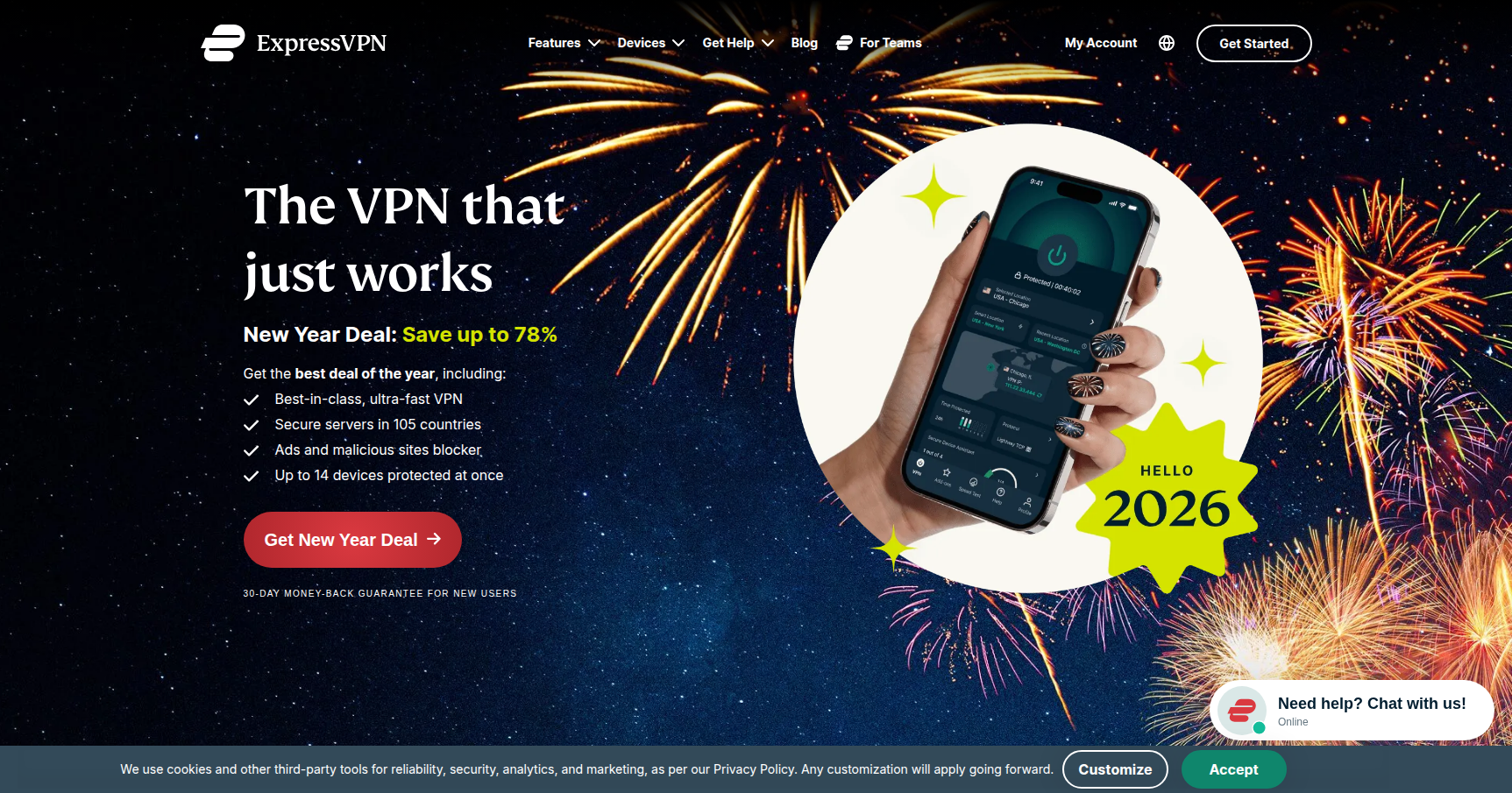
For years, ExpressVPN was the "expensive but reliable" option that kept things simple with a single plan. That changed recently. Moving away from a one-size-fits-all model, ExpressVPN has pivoted into a tiered security suite. They are now positioning themselves as a "Digital Home" for privacy, bundling identity protection and password management alongside their core connectivity tools.
This service is built for the user who wants the "Apple experience" of cybersecurity. You aren't paying for granular configuration or Linux-terminal tinkering; you are paying for a polished interface, consistent speeds via the Lightway protocol, and an infrastructure that actually works when you click "Connect."
Ideally, this is for privacy-conscious power users, frequent travelers needing reliable access to home content, or US-based heads of households who want to cover 10+ devices and get identity theft insurance in one bill.
Key Features
Lightway Protocol
Most VPNs rely on OpenVPN or WireGuard. ExpressVPN built their own protocol called Lightway. It is designed to be lightweight (hence the name) which translates to faster connection times and better battery life on mobile devices. Because the code base is smaller, it is easier to audit and maintain. In practical terms, this means when you switch from Wi-Fi to mobile data, the VPN reconnects almost instantly without the annoying drop in connectivity.
TrustedServer Technology
This is their standout security architecture. ExpressVPN servers run entirely on RAM. They do not utilize hard drives. This is significant because it is physically impossible for the server to store data long-term. Every time a server is rebooted or powered down, all data is wiped instantly. For users worried about server seizures or data retention logs, this hardware-level limitation provides a strong layer of assurance.
Identity Defender & Security Suite
In their shift to a tiered model, ExpressVPN introduced features that go beyond masking an IP address. The Identity Defender suite (available on higher tiers) includes dark web monitoring, data removal services to scrub your info from broker sites, and $1M in identity theft insurance. Note: Many of these specific identity features are currently locked to US customers.
Specialized Hardware: Aircove
ExpressVPN is one of the few providers manufacturing its own hardware. The Aircove and Aircove Go are Wi-Fi 6 routers with the VPN protection built directly into the firmware. The "Go" version is particularly interesting for digital nomads. It is palm-sized and can secure an entire hotel room's devices by connecting to the hotel Wi-Fi once, creating a private secure bubble for your phone, laptop, and tablet.
MediaStreamer (Smart DNS)
While the VPN encryption is great for privacy, it slows down streaming. MediaStreamer is a Smart DNS feature designed solely for spoofing location without the encryption overhead. This allows devices that don't support VPN apps (like older Apple TVs, PlayStation, or Xbox) to access geo-restricted content on Netflix, Hulu, or BBC iPlayer.
Pricing
ExpressVPN has moved to a tiered pricing structure for 2025 to compete with rivals like NordVPN. All plans include the 30-day money-back guarantee.
Basic Plan
- Cost: ~$12.99/mo (Monthly) or ~$3.49/mo (2-Year Plan)
- Coverage: Up to 10 devices.
- Includes: Core VPN access, Lightway protocol, ad blocking, and malicious site protection.
Advanced Plan
- Cost: ~$13.99/mo (Monthly) or ~$4.49/mo (2-Year Plan)
- Coverage: Up to 12 devices.
- Includes: Everything in Basic, plus ExpressVPN Keys (Password Manager), parental controls, and 3 days of unlimited eSIM travel data.
Pro Plan
- Cost: ~$19.99/mo (Monthly) or ~$7.49/mo (2-Year Plan)
- Coverage: Up to 14 devices.
- Includes: Everything in Advanced, plus a Dedicated IP, the full Identity Defender suite ($1M insurance + data removal), and 5 days of eSIM travel data.
Note: There is no perpetual free tier. However, mobile users on iOS and Android can access a 7-day free trial.
Pros & Cons
The Good
- Streaming Reliability: It remains the heavyweight champion for unblocking content. If Netflix updates their blocklist, ExpressVPN usually finds a workaround faster than the competition.
- Audit History: They regularly submit to third-party audits (by firms like KPMG and Cure53) to verify their no-logs policy and TrustedServer claims.
- User Interface: The apps are clean and intuitive. It is a "one-click" solution that doesn't intimidate non-technical parents or spouses.
- Support: Their 24/7 live chat is staffed by knowledgeable agents, not just bots reading scripts.
The Bad
- Price: Even with the new tiered options, it commands a premium price tag compared to budget options like Private Internet Access.
- Ownership Concerns: ExpressVPN is owned by Kape Technologies. Some privacy purists are wary of Kape due to their historical involvement in the ad-tech space, though the independent audits help mitigate this fear.
- US-Centric Features: The high-value "Identity Defender" tools (insurance, data scrubbing) are largely restricted to US customers, making the Pro plan less valuable for international users.
- Browser Extension: The extension is a remote control for the desktop app, not a standalone proxy. You must have the main app running for it to work.
Verdict
ExpressVPN is no longer just a "hide my IP" tool. It is attempting to be a comprehensive digital safety net.
If you are a budget-conscious user who just wants to torrent safely, there are cheaper options. However, if you are a US-based head of household looking to secure 10+ devices and insure your family's digital identity, the Pro Plan offers significant value.
For frequent travelers, the addition of eSIM data and the integration with the Aircove Go router makes this the best-in-class option for working on the road.
Bottom line: It is the "set it and forget it" premium choice. You pay more, but you spend less time troubleshooting connections.